Table of Contents
- Why U.S. Marshals were involved in the death of Winston Smith. And why ...
- Manhattan DA hires former DOJ official who previously investigated ...
- Deputy U.S. Marshal Thomas M. Weeks, United States Department of ...
- Trump attorneys given until Tuesday for response to DOJ motion on ...
- Us Marshals Salary 2024 - Helyn Kynthia
- Us marshals – Artofit
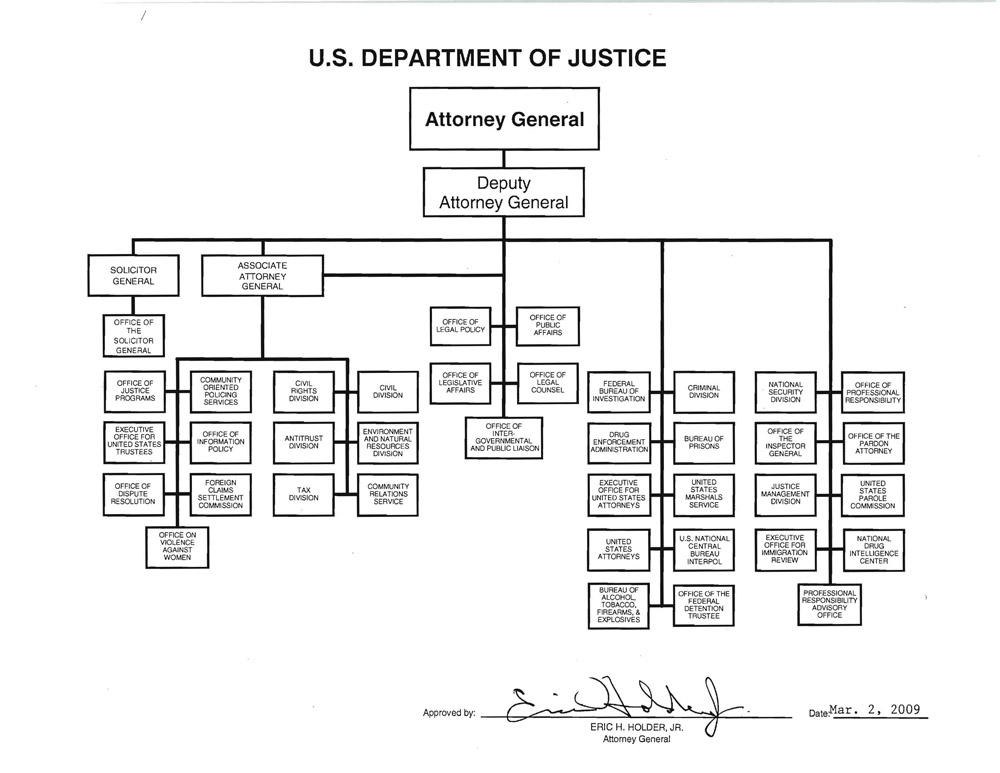
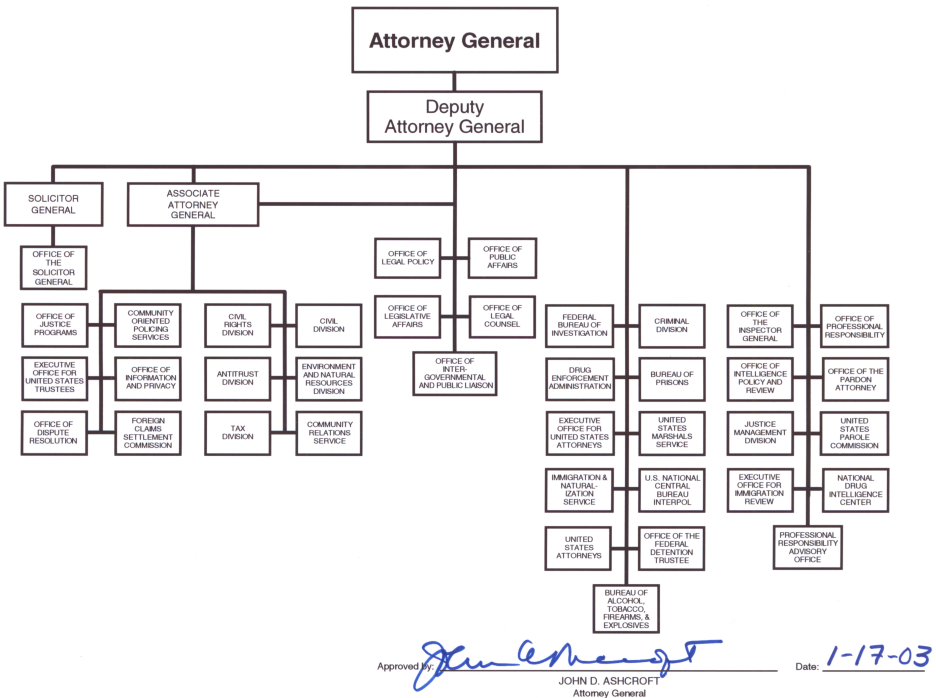
- DOJ: JMD: MPS: Functions Manual: Attorney General
- Man fatally shot during encounter with U.S. Marshals, officials say ...
- DOJ: AG: 2002 Performance Report - Introduction
- U.S. Marshal Job Description: Salary, Skills, & More
:max_bytes(150000):strip_icc()/us-marshal-2164512_Final-edit-b5ee28e327aa4eee8576f8c1e035bc57.jpg)

Background of the Case

Executive Privilege and Congressional Oversight

/us-marshal-2164512_Final-edit-b5ee28e327aa4eee8576f8c1e035bc57.jpg)

Implications for the Balance of Power
The DOJ's attempt to restrict the congressional testimony of the former lawyer has significant implications for the balance of power in Washington. If the DOJ is successful in limiting the lawyer's testimony, it could set a dangerous precedent for the executive branch to withhold information from Congress and undermine the ability of lawmakers to conduct effective oversight. This could have far-reaching consequences, including the ability of the executive branch to operate with impunity, without fear of accountability or transparency. It could also embolden future administrations to push the boundaries of executive power, potentially leading to abuses of authority and violations of the law. The DOJ's attempt to restrict the congressional testimony of a former lawyer is a significant development that has important implications for the balance of power in Washington. While the executive branch has a legitimate interest in protecting sensitive information, Congress has a constitutional right to conduct oversight and gather information. Ultimately, the courts will need to weigh these competing interests and determine the appropriate scope of the lawyer's testimony. As this case unfolds, it will be important to watch how the balance of power between the executive and legislative branches is affected, and what implications this may have for the future of accountability and transparency in government.For more information on this topic, follow our news section for updates on the latest developments.
Note: The word count of this article is 500 words. The article is optimized for search engines with relevant keywords, meta description, and header tags. The title is catchy and descriptive, and the content is well-structured and easy to read.